

Moving Image Theory 300 (2026)
PERSPECTIVES ON MOVING IMAGES
This semester in MI 300 explored the multifaceted world of cinema in the 21st century. It delves into the impact of Postmodernism on filmmaking, examining concepts like authorship, agency, and the role of interpretation in shaping our understanding of films. It also investigates how trauma and memory are depicted in contemporary cinema, television, and video games. Furthermore, we’ll explore the fascinating intersection of film and psychology. By studying spectatorship, psychoanalytic film theory, empathy, and cognitive processes, students gain insights into how viewers experience and interpret films.
EMBODYING DESIRE, VULNERABILITY, AND RAGE: A REFLEXIVE STUDY OF MY ACTING PRACTICE BY LENAY ROSSOUW (She/Her)
This self-reflective essay by Lenay Rossouw critically examines her acting practice at the intersection of modern performance techniques and feminist theory. Drawing on Stanislavski, Method Acting, and Meisner, Rossouw foregrounds emotional authenticity and psychological realism as core components of her work. Simultaneously, she engages feminist thinkers such as Judith Butler, Laura Mulvey, and Sara Ahmed to interrogate how femininity is culturally performed, viewed, and emotionally regulated. Through reflections on three contrasting roles, the essay explores the tension between “living truthfully” as an actor and performing gendered expectations, revealing how acting becomes a site of both authenticity and critique.
MOVING IMAGES, PHILOSOPHY, AND THE SUBVERSION OF VISUAL CULTURE
The second semester of MI 300 offered a rigorous exploration of contemporary visual culture. The students were encouraged to move beyond the immediate focus of film to examine the “moving image” within the broader context of 21st-century global visual culture. Lectures delved into key themes such as science fiction, liminality, madness, “outsider art,” digital reality, and postfeminism. By analysing how these discourses shape visual phenomena, students gained a deeper understanding of the social and cultural forces
that influence their own creative work and the ability to critically engage with the visual world around them.
BALDUR’S GATE 3 THROUGH THE LENS OF POSTMODERN PLURALISM BY REZE KLINDT (She/Her)
This video essay by Reze Klindt offers a sharp and engaging exploration of postmodern pluralism through the contemporary video game Baldur’s Gate 3. Drawing on the idea that multiple, even contradictory realities can coexist, Klindt demonstrates how the game accommodates a wide spectrum of player desires and ethical orientations. Players may choose to follow a conventional hero’s journey or embrace the role of a merciless tyrant, with neither path presented as definitive. The essay further examines the game’s branching narratives to show how pluralism operates across its storylines, positioning Baldur’s Gate 3 as a compelling example of postmodern agency in interactive media.
Related Posts
































































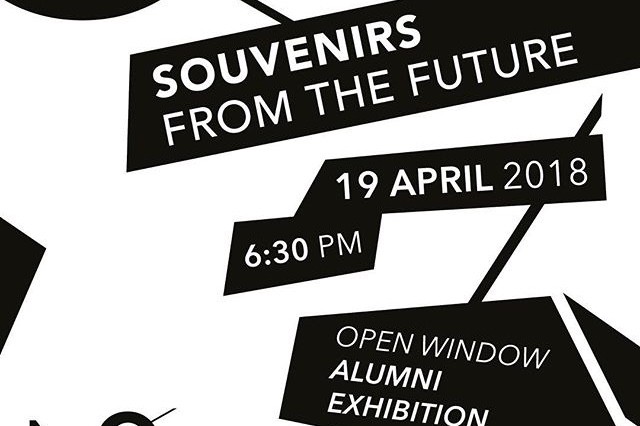
Souvenirs from the Future Exhibition | 19 April
You can expect an exciting programme…
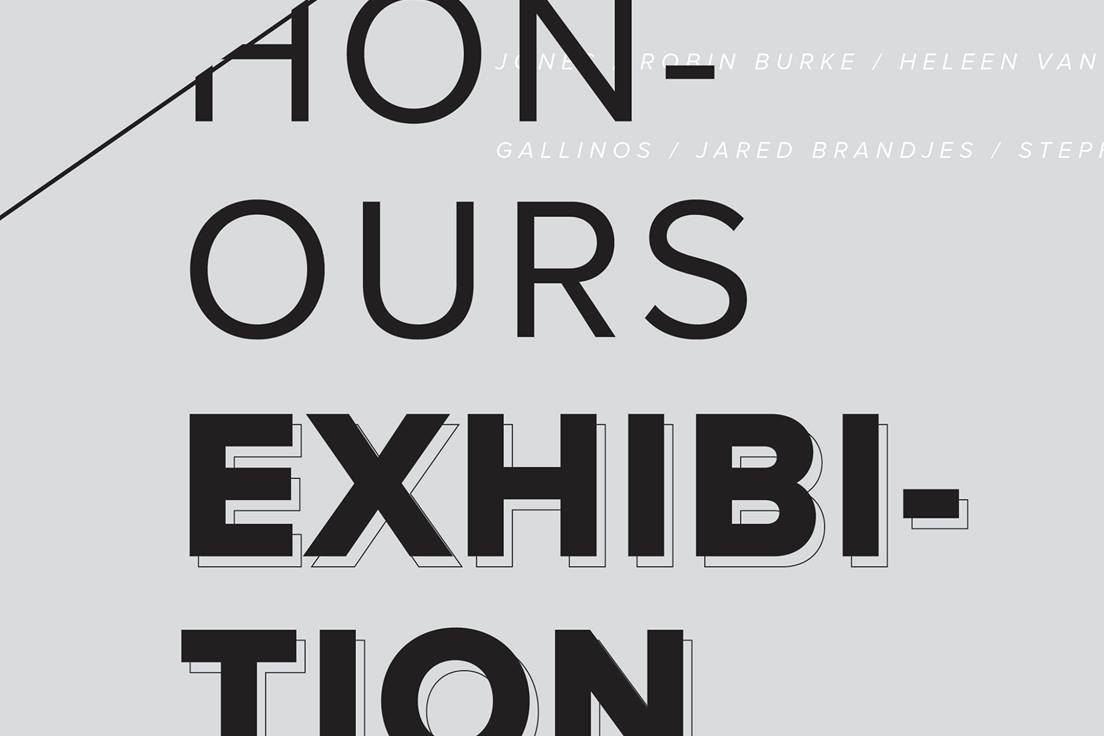
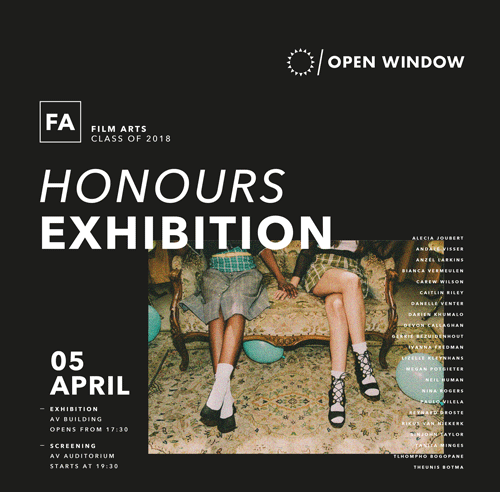
Film Arts Honours Exhibition | 12 April
You can expect an exciting programme…
You the Living – Film Screening
In the Swedish city of Lethe, people…

Susters
Susters - Exclusive Screening - Open…

The Pitch
Do you have a story to tell? A film…

Savanah Xanthides
Alumni - Savanah Xanthides. A…

Welcome Party | 16 February
We are having our Annual Welcome Party.…
High Tension | 15 February
Date: Thursday at 19:00–21:00. Venue:…
Three Theories of Everything | 15 February
Three Theories of Everything: A lecture…
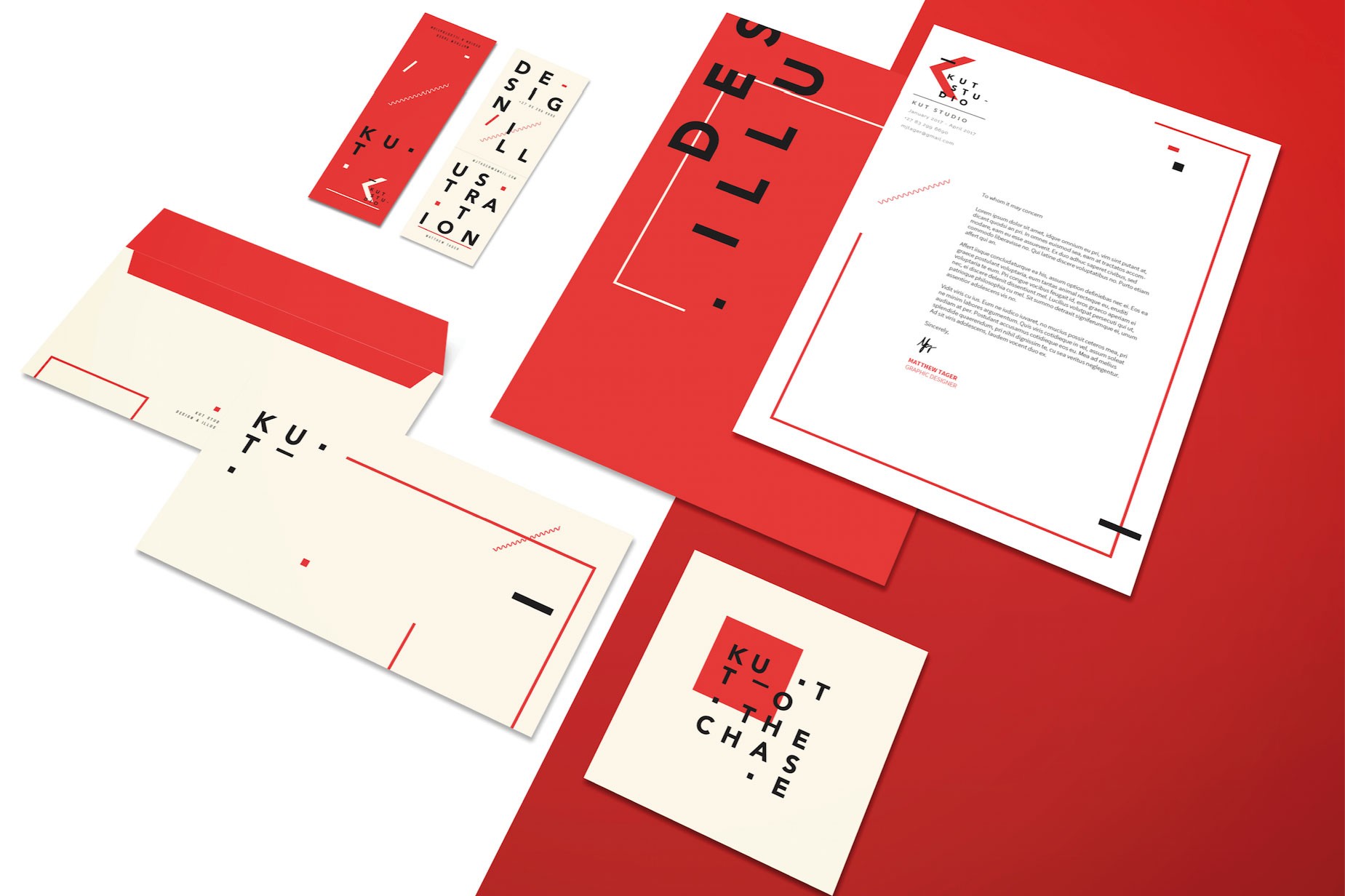
Matthew Tager
In my final year, I grew the confidence…

Stephanie de Beer
I'm currently a full-time Digital…

Are You Game | 2018
Have an unusual game idea? Don't keep…
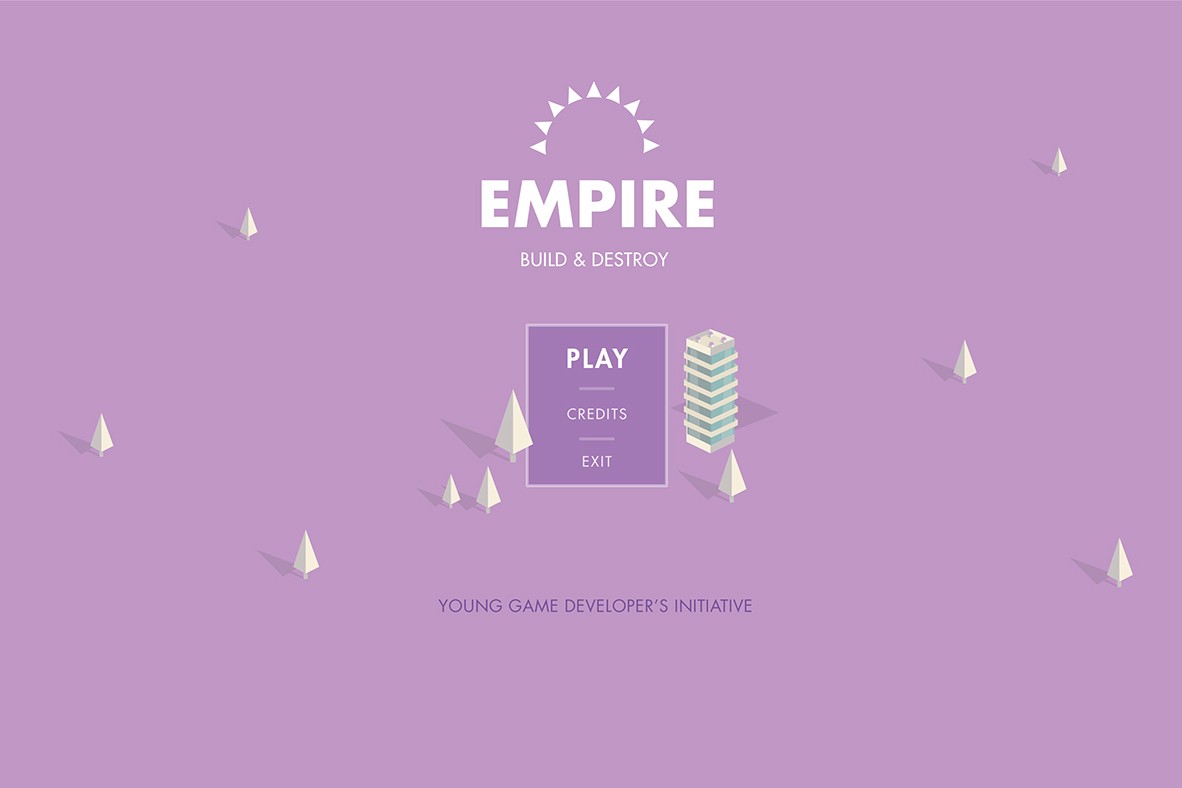
Are You Game Winner | 2017
Are You Game Winner: Koketso Kana. Game…

Lize-Marie Dreyer
At Aurora we have the overwhelming need…
Final Year Student: Exhibition | 28 November
The annual Final Graduate Showcase, for…

David Krynauw- Industrial Talk
David Krynauw Ontwerp produces…

Game Jam
Game Jam Event
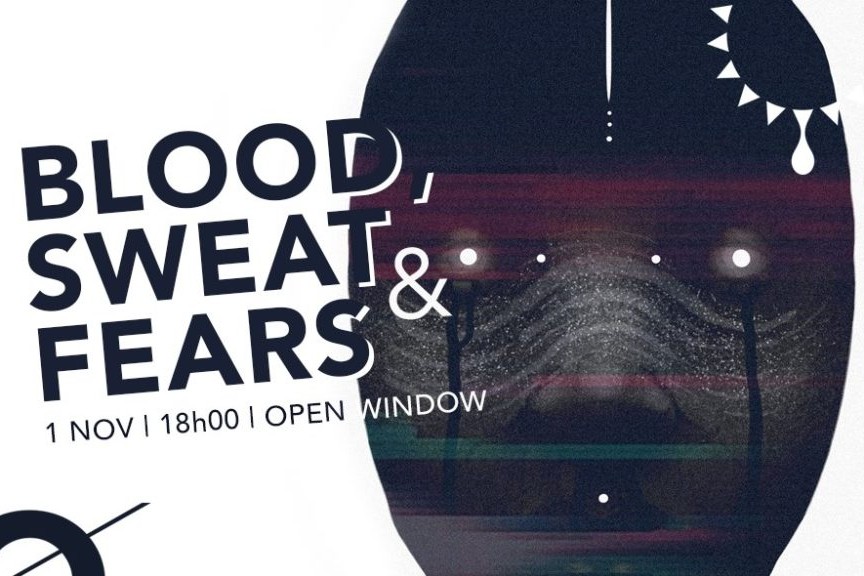
Blood sweat and Fears
Blood sweat and fears- Open Window…

Annike Pienaar
Do what you love, Love what you do. I’m…